An electrical panel is an essential part of a residential electrical system. It distributes electricity to different areas of a property and helps protect individual circuits against excessive electrical current. Maintaining this equipment properly is important for reducing electrical hazards, protecting household appliances, and ensuring a reliable power supply.
Although homeowners use electricity every day, many overlook the importance of electrical safety until unexpected problems occur. Understanding basic safety practices can help identify potential issues early and prevent dangerous electrical conditions.
Understanding the Importance of Electrical Safety
Residential electrical systems are designed to deliver electricity safely to lighting fixtures, outlets, appliances, and other household equipment.
Circuit breakers play an important protective role by interrupting electrical current when certain unsafe conditions occur, including overloads and short circuits.
However, electrical safety depends on several additional factors, such as proper installation, suitable wiring, compatible equipment, and professional maintenance.
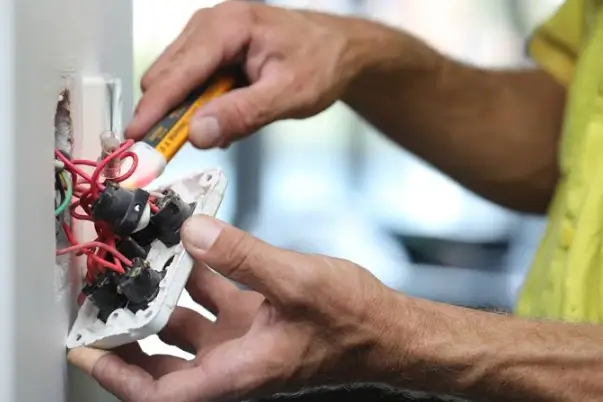
Homeowners should understand that electrical distribution equipment contains potentially dangerous components and should never attempt internal repairs without appropriate qualifications.
Common Electrical Panel Safety Hazards
Several conditions can affect the safety and reliability of residential electrical equipment.
Overloaded Electrical Circuits
Electrical overloads occur when the current flowing through a circuit exceeds its intended capacity.
Connecting multiple high-power appliances to a single circuit can increase the risk of overheating and cause protective breakers to trip.
Loose Electrical Connections
Loose connections can create excessive resistance and generate heat.
If left unaddressed, these conditions may damage electrical components and increase the risk of electrical fires.
Damaged Circuit Breakers
Circuit breakers can develop faults due to deterioration, improper installation, or incompatible equipment.
A breaker that does not operate correctly may fail to provide the intended circuit protection.
Moisture Exposure
Water entering electrical equipment can contribute to corrosion, insulation damage, and dangerous electrical faults.
Any evidence of water intrusion should be assessed by a qualified electrician.
Outdated Electrical Equipment
Some older electrical installations may no longer be suitable for the electricity requirements of modern households.
Professional assessments can help determine whether existing equipment remains safe and appropriate for continued operation.
Essential Electrical Safety Practices for Homeowners
Following preventive safety practices can help maintain reliable electricity distribution throughout a property.
Keep Electrical Equipment Accessible
Avoid placing furniture, storage boxes, cleaning materials, or other household items directly in front of the distribution enclosure.
Maintaining appropriate working clearance allows electricians and emergency personnel to access the equipment when necessary.
Avoid Overloading Power Outlets
Connecting too many appliances through extension cords or power strips can create excessive electrical demand.
High-power equipment should be connected to appropriately rated circuits according to manufacturer instructions.
Monitor Unusual Electrical Behavior
Homeowners should pay attention to changes in electrical performance, including recurring breaker trips, flickering lights, or unexpected power interruptions.
These symptoms may indicate problems requiring professional investigation.
Protect Equipment From Water Damage
Electrical distribution equipment should be protected from moisture, plumbing leaks, and other sources of water exposure.
If water enters an electrical enclosure, avoid touching the equipment and contact a qualified professional.
Maintain Proper Circuit Identification
Clearly labeled circuit breakers make it easier to identify which circuits supply different rooms and appliances.
Accurate labeling also helps electricians perform maintenance and troubleshooting more efficiently.
Warning Signs That Should Never Be Ignored
Electrical problems may develop gradually before becoming more serious. Recognizing warning signs can help homeowners take appropriate action.
Common warning signs include:
- Frequently tripping circuit breakers.
- Burning smells near electrical equipment.
- Unusual buzzing, popping, or crackling sounds.
- Visible rust or corrosion.
- Discoloration around electrical components.
- Flickering or dimming lights.
- Signs of overheating or melted insulation.
- Unexpected interruptions in electrical supply.
These conditions should be evaluated by a licensed electrician. A burning smell, smoke, or visible sparking may indicate an immediate hazard requiring urgent professional assistance.
When Should Homeowners Consider Electrical System Improvements?
Electrical requirements can change as families purchase additional appliances, renovate their properties, or install modern technology.
Older electrical installations may have limited capacity or contain components that have deteriorated over time.
In some cases, an electrical panel upgrade may be necessary to accommodate calculated electricity demands, replace unsuitable equipment, or support additional circuits.
A qualified electrician can inspect the existing installation, assess its condition, and recommend appropriate improvements based on the property’s requirements.
Why Professional Electrical Inspections Matter
Professional inspections are essential for identifying electrical problems that may not be visible during a basic exterior examination.
Evaluating Circuit Breaker Conditions
Electricians can inspect protective devices to determine whether they are suitable for the installed circuits and operating as intended.
Identifying Damaged Wiring
Professional assessments can reveal deteriorating insulation, improper connections, and other wiring concerns that may affect electrical safety.
Checking Equipment Compatibility
Circuit breakers and other electrical components must meet relevant manufacturer requirements.
Using incompatible equipment can compromise the safety of the installation.
Assessing Household Electricity Requirements
Electricians can evaluate electrical loads and determine whether the existing infrastructure is appropriate for the property’s current needs.
Electrical Safety Mistakes Homeowners Should Avoid
Certain common mistakes can increase the likelihood of electrical accidents.
Repeatedly Resetting Tripped Breakers
A breaker that trips repeatedly may indicate an underlying fault. Continuously resetting it without identifying the cause can create additional risks.
Attempting Electrical Repairs Without Training
Internal electrical equipment can contain energized components even when the main breaker is switched off.
Homeowners should never attempt internal repairs without appropriate electrical qualifications.
Ignoring Minor Electrical Problems
Small electrical irregularities can sometimes indicate more significant underlying issues.
Prompt professional evaluation can help prevent further deterioration.
Using Incorrect Replacement Components
Electrical components should always be selected according to the equipment manufacturer’s specifications and applicable electrical codes.
Incorrect replacement parts may create serious safety hazards.
Long-Term Benefits of Following Electrical Safety Practices
Maintaining a safe electrical environment provides several benefits for homeowners.
Proper electrical maintenance helps protect household wiring, reduce unexpected power interruptions, and support the dependable operation of connected equipment.
Preventive inspections can also identify aging components before they develop into more serious problems.
By combining responsible electricity usage with professional maintenance, homeowners can improve electrical reliability and protect their property over the long term.
Conclusion
An electrical panel plays an important role in keeping a home’s electrical infrastructure safe and functional. Understanding common electrical hazards and recognizing warning signs allows homeowners to take preventive action before problems become more serious.
Keeping electrical equipment accessible, avoiding overloaded circuits, monitoring unusual electrical behavior, and arranging professional inspections are essential safety practices.
With proper care and timely attention to electrical concerns, homeowners can maintain a safer living environment and enjoy a more reliable electricity supply for years to come.