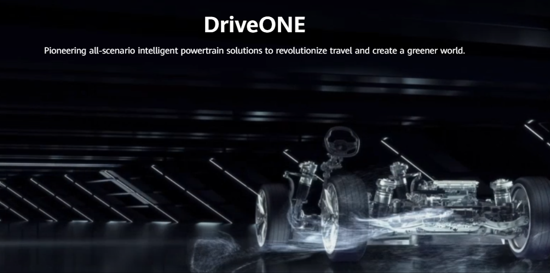
Huawei’s EV powertrain, branded as DriveONE, is a fully integrated system that combines three critical components—electric motor, motor controller, and reduction gearbox—into a single, compact unit. Unlike traditional powertrains where these parts are separate, this integration eliminates redundant wiring and mechanical interfaces, cutting overall volume by 30% and weight by roughly 25% compared to non-integrated alternatives. This compact design is particularly valuable for automakers looking to maximize cabin space or optimize vehicle aerodynamics, both of which directly impact EV range. A key technical highlight of DriveONE is its use of silicon carbide (SiC) semiconductors, a material that outperforms traditional silicon in high-voltage, high-temperature environments, electric vehicle powertrain enabling a higher voltage platform (up to 1200V, versus the typical 800V in most mass-market EVs). SiC components deliver a peak efficiency of over 95%—a figure that outperforms many traditional silicon-based powertrains by 3-5 percentage points. This efficiency gain isn’t just a minor stat; it directly contributes to longer driving ranges, faster charging speeds, and lower energy consumption. For example, a DriveONE-equipped motor can deliver 215kW of power while maintaining consistent efficiency even at highway speeds, where most motors lose efficiency due to high RPM. Beyond hardware, Huawei’s powertrain includes proprietary software that syncs with its HarmonyOS-based vehicle operating system, handling torque vectoring, energy recovery, and power distribution in real time. When a vehicle corners, the system sends more torque to outer wheels to improve stability; during downhill driving, it optimizes regenerative braking to recapture energy without harsh deceleration.
Real-World Deployments and Collaborative Case Studies
Huawei’s powertrain solutions are already powering several popular EV models through partnerships with global automakers. One of the most notable collaborations is with AITO, a joint venture between Seres and Huawei, where DriveONE is used in the AITO M5 and M7. The AITO M7, a mid-size SUV, features a dual-motor DriveONE setup with a combined 400kW of power, enabling a 0-100km/h acceleration time of just 4.8 seconds—on par with many premium performance SUVs. Its CLTC range exceeds 1,000km, a figure made possible by the powertrain’s high efficiency and the vehicle’s large battery pack. Another key case is the Arcfox Alpha-S HI, a sedan developed with BAIC BluePark, which uses Huawei’s single-motor DriveONE system delivering 218kW of power and 95.5% peak efficiency, helping the car achieve a CLTC range of over 700km. In 2023, Huawei announced cumulative shipments of DriveONE systems had surpassed 500,000 units, a milestone reflecting strong market demand. Beyond Chinese brands, Huawei has expanded collaborations to European automakers, supplying SiC-based DriveONE systems for upcoming EV platforms to help them meet strict emissions and efficiency standards.
See also: WhatUTalkingBoutFamily Life Hacks: Best Practices
Unique Competitive Advantages Over Traditional EV Powertrains
Huawei’s powertrain stands out from traditional offerings in three core areas: integration, software-hardware synergy, and cost efficiency. First, the integrated DriveONE design eliminates gaps between separate components, which in traditional systems cause energy loss through friction and heat. This integration also simplifies manufacturing for automakers, reducing assembly time and costs by requiring only one unit instead of three separate parts. Second, Huawei’s deep software expertise sets it apart. While many traditional powertrain manufacturers focus solely on hardware, Huawei’s software syncs with the entire vehicle system, enabling dynamic adjustments that improve both performance and comfort. For example, its energy recovery system is calibrated to be smooth, avoiding the harsh deceleration common in EVs with basic regenerative braking. Third, Huawei’s scale and supply chain partnerships have cut costs for advanced tech like SiC semiconductors by around 40% over the past three years. Previously, SiC was a premium component for high-end EVs, but Huawei’s mass production has made SiC-based powertrains accessible to mid-range models, allowing automakers to offer advanced performance without significant price increases. This cost efficiency is a major driver of its adoption, as it bridges the gap between premium tech and mass-market affordability.
Future Roadmap and Industry Impact of Huawei’s Powertrain
Looking ahead, Huawei is investing heavily in the next generation of its EV powertrain, with plans to launch a 250kW DriveONE system by 2025 that supports a 1500V voltage platform. This higher voltage will enable even faster charging—potentially adding 500km of range in just 10 minutes—while further reducing powertrain size and weight. Another focus is integrating the powertrain with solid-state batteries, expected to hit mass markets by the end of the decade. Huawei is optimizing its power delivery to match solid-state batteries’ unique characteristics, which offer higher energy density and faster charging. Beyond technical development, Huawei’s entry into the EV powertrain space has reshaped the broader industry. It accelerated SiC adoption, pushing manufacturers like BYD and Tesla to invest more in their own SiC powertrains after SiC was previously slow to spread due to cost barriers. It also set a new standard for integrated powertrain design, with many automakers now exploring similar compact, multi-component systems. Additionally, its focus on software-hardware integration highlighted the value of holistic vehicle systems over individual parts for superior EV experiences. While challenges remain—including intense global EV competition and supply chain reliability needs—Huawei’s powertrain technology is positioned to continue driving industry changes for years to come, making EVs more efficient, accessible, and high-performing for consumers worldwide.