Dealing with a stubborn drain is one of those household headaches that always seems to happen at the worst possible time. You are standing in the kitchen doing the dishes when suddenly the water stops swirling down and starts pooling around your ankles. Most of us reach for a plunger or a bottle of liquid cleaner, but when grease has been building up for years, those quick fixes are just band-aids. To really fix the root of the problem, you often need to deep clean your plumbing system with hydrojetting so the pipes stay clear.
The Sticky Reality of Kitchen Grease
It starts innocently enough. A little bit of bacon grease goes down the sink, or some oily salad dressing gets rinsed off a plate. You run the hot water, thinking it will wash away, but the reality is much colder. As soon as that liquid fat hits the cool interior of your underground pipes, it solidifies. Over time, this creates a waxy, thick lining inside your plumbing that acts like a magnet for food particles, hair, and soap scum.
Unlike a localized clog caused by a single object, grease creates a systemic issue. It narrows the pipe’s diameter. This is why your drains start to feel sluggish. You might notice the bathroom sink taking forever to empty or the toilet gurgling when the washing machine drains. These are the early warning signs that your pipes are essentially suffering from high cholesterol.
Why Traditional Snaking Often Fails
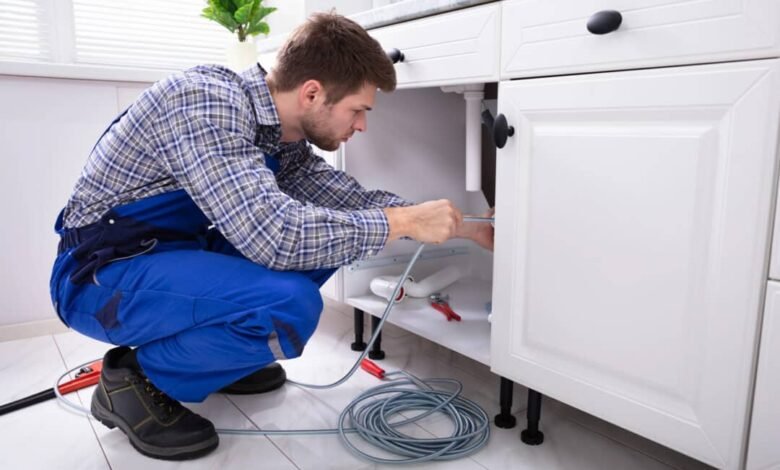
Most people are familiar with the plumber’s snake, or an auger. It is a great tool for a specific job, like pulling out a clump of hair or breaking through a solid blockage, like a flushable wipe that should not have been flushed. However, when it comes to grease, a snake is like poking a straw through a jar of peanut butter. It might punch a small hole through the center of the mess, allowing some water to trickle through, but it leaves the pipe walls coated in sludge.
Within a few weeks or months, that small hole fills right back up. This is the cycle of frustration many homeowners find themselves in. They pay for a service, the drain works for a bit, and then the backup returns. You need something that doesn’t just poke a hole but actually restores the pipe to its original diameter.
How High-Pressure Water Changes the Game
This is where the big guns like hydrojetting come in. Instead of using a metal cable to scrape at things, this method uses specialized nozzles that blast water at high pressure. Think of it like a pressure washer for the inside of your walls. The water is forced out in multiple directions, scrubbing the interior surfaces of the pipes and pulverizing the grease into tiny particles that wash harmlessly away into the sewer main.
The beauty of using water is that it is comprehensive. It hits every nook and cranny, including the joints and bends where grease loves to hide. Because it uses nothing but pressurized water, it is also much kinder to the environment than pouring gallons of harsh, acidic chemicals down the drain, which can eventually eat away at older metal pipes or disrupt your septic tank’s natural balance.
When to Call in the Pros
How do you know if you need this heavy-duty solution? If you have used a plunger three times in a week, that is a sign. If you smell a persistent “rotten” odor coming from your drains, even after using baking soda, it is the smell of decaying organic matter trapped in grease.
Another tell-tale sign is multiple slow drains. If the kitchen, the laundry room, and the guest bath are all acting up at once, the clog is likely deep in your main line. A professional will usually start by sticking a tiny waterproof camera down the line to see exactly what they are dealing with. This ensures the pipes are structurally sound enough to handle the pressure and confirms that grease is indeed the culprit.
Long-Term Maintenance Tips
Once you have had your lines cleaned out, you definitely do not want to go through the hassle again anytime soon. The best way to prevent grease buildup is to treat your sink like a trash can’s enemy. Keep a glass jar under the sink for fats, oils, and grease. Even “liquid” oils like olive oil or canola oil can contribute to the sticky film inside pipes when they mix with other debris.
Regularly flushing your drains with a mix of very hot water and a bit of dish soap can help move small amounts of surface oil, but the most important thing is simply being mindful of what goes down the drain.
Final Word
At the end of the day, your plumbing is the unsung hero of your home’s comfort. When things get backed up, and the DIY methods just aren’t cutting it, it is worth investing in a solution that actually lasts. Taking the time to deep clean your plumbing system with hydrojetting ensures that you won’t be standing in a puddle of gray water next week. It is the most effective way to hit the reset button on your pipes and get your household running smoothly again.